

TMJ Treatment Bergenfield
Get Rid of Chronic Jaw Pain & Headaches
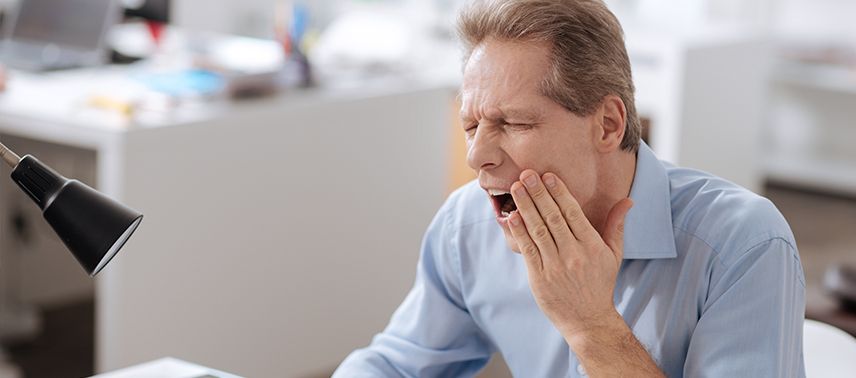
Your temporomandibular joints (also known simply as the TMJs) may be small parts of the body, but their responsibility is anything but. They actually connect the lower jaw to the skull and facilitate essential movements like chewing, speaking, and even yawning. Unfortunately, injury or dysfunction in this area can result in painful and even debilitating symptoms that aren’t likely to just go away on their own. Fortunately, our Bergenfield team provides effective and minimally invasive TMJ treatment. Contact us today to learn more or to request an appointment.
Why Choose Washington Dental Associates for TMJ Treatment?
- In-Office TMJ Specialist
- Modern TENS Massage Technology
What Is TMJ Disorder?

TMJ disorder (TMD) is an umbrella name for a range of problems that can afflict the joints that connect the lower jaw to the skull. Often, such problems are due to inflammation or damage. TMD can arise from multiple causes, including a misaligned bite, untreated bruxism (teeth grinding), a facial injury, or even the onset of arthritis. In many cases, it is related to stress and muscle tension. This condition can affect patients of virtually all ages.
Symptoms of TMJ Disorder

TMJ disorder is complex in nature and manifests in different ways for each affected patient. If you notice any of the following symptoms on a routine basis, we strongly recommend scheduling a consultation:
- Prolonged, chronic pain in the face, jaw, head, neck, and/or shoulders
- Constant headaches/migraines with no clear cause
- Difficulty with fully opening and closing the jaw
- Jaw joints that regularly click or pop
- Pain or difficulty while chewing
- Ringing in the ears or ear pain
Types of TMJ Treatment

There is no universal treatment for TMJ disorder. The best approach depends on the cause and severity of your symptoms. After an examination, we might recommend certain home remedies, such as a soft diet or heat/cold therapy. Of course, home remedies often provide only temporary relief. Most patients also require professional therapy, such as equilibration or TENS treatment. Here is an overview of each of these non-invasive options:
Equilibration/Occlusal Adjustment

One of the most common causes of TMJ disorder is the presence of a misaligned or improper bite, resulting in undue pressure being placed on certain teeth. To combat this effect, we may recommend occlusal adjustment (also known as equilibration), which involves the minimal alteration of certain dental surfaces in order to help the teeth meet in a more balanced fashion. This approach can restore long-term harmony and allow the strained facial muscles to achieve relaxation.
Treatment with a TENS Machine

TENS is an acronym for “transcutaneous electrical nerve stimulation.” This therapy uses a machine that emits gentle electrical impulses to stimulate nerves and muscles around the TMJs, causing them to relax. In other words, it acts as a sort of “self-massage.” It also encourages the release of pain-blocking endorphins.